

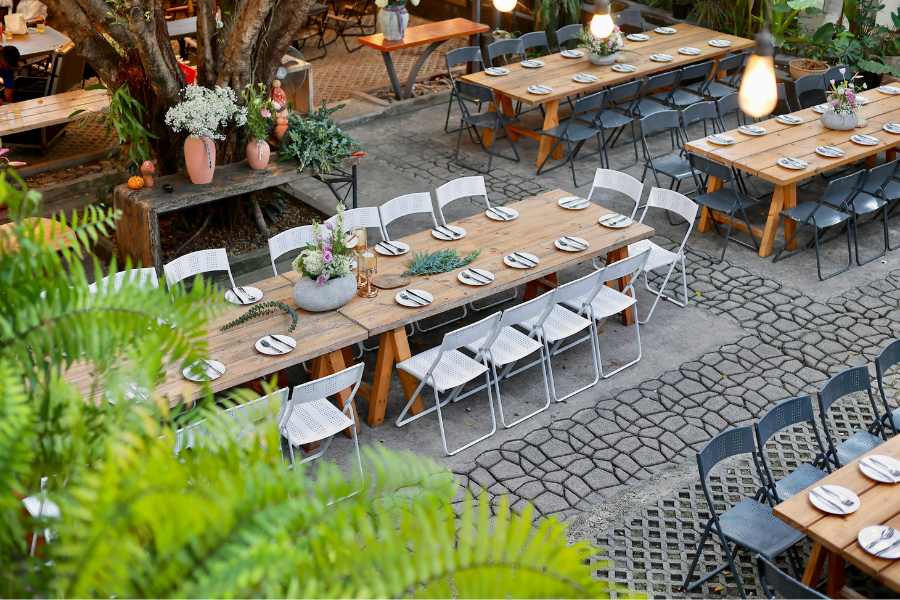
Choosing between an indoor outdoor event space isn’t a style decision. It’s an operational decision that directly affects cost, execution, and how your event actually feels in real time.
Most people decide based on visuals. Outdoor looks appealing. Indoor feels safe. That’s surface-level thinking.
The real difference shows up during execution – when weather shifts, timelines slip, guests move unpredictably, and vendors need to adapt. That’s when the wrong choice becomes obvious, and by then, you can’t fix it.
Today, expectations are higher. Weddings need seamless transitions. Corporate events require reliability. Private events need atmosphere without chaos. The space you choose either supports that, or quietly works against it.
What follows is not a preference-based comparison. It’s a practical breakdown of how both options behave under real conditions.
What “Indoor vs Outdoor” Actually Means in Practice
The distinction isn’t about walls versus open air. It’s about control versus variability.
An indoor venue gives you controlled conditions. Lighting, temperature, sound, and timing are predictable. That predictability reduces risk and simplifies coordination.
Outdoor event spaces introduce variability. Weather, natural light, terrain, and external factors all influence execution. This variability can enhance the experience – but it also introduces uncertainty.
A hybrid or indoor outdoor event venues setup attempts to combine both: offering flexibility while maintaining a fallback. This is often positioned as the “best of both worlds,” but in practice, it only works if transitions are built into the design – not improvised.
Why Outdoor Spaces Attract More Interest
Outdoor event spaces appeal for obvious reasons. They create visual impact without requiring heavy design effort. Natural light, open layouts, and scenic backdrops reduce the need for decoration and can elevate the overall experience.
- Natural aesthetics reduce setup complexity
Outdoor environments provide built-in visual appeal. This often lowers decor costs, but it also limits how much control you have over the environment. - Open layouts increase flexibility
Without structural constraints, layouts can adapt more easily to different event formats. However, this flexibility comes at the cost of defined structure, which can impact flow. - Guest perception tends to be more positive initially
Outdoor settings feel less restrictive and more immersive. This works well for weddings and social events but doesn’t always translate to functional efficiency.
The problem is that these benefits are front-loaded. They improve perception early but don’t account for what happens when conditions change. Weather shifts, lighting fades, or temperature drops – and suddenly the same space becomes harder to manage.
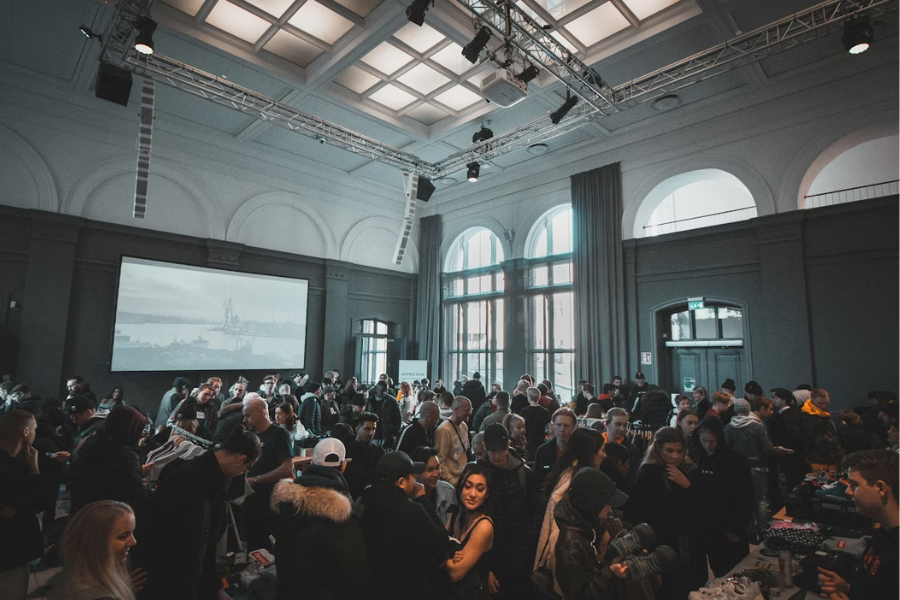
Where Indoor Spaces Quietly Outperform
spaces don’t look as dramatic upfront, but they perform better under pressure.
- Environmental control ensures consistency
Temperature, lighting, and acoustics remain stable throughout the event. This is critical for longer events or those with structured timelines. - Technical infrastructure is easier to manage
Power, sound systems, and connectivity are typically built into the space. This reduces setup complexity and minimizes failure points. - Defined layouts improve flow and coordination
Indoor venues are designed with movement in mind – entry points, service areas, and transitions are more predictable. - Reduced dependency on external variables
Weather and environmental factors are largely irrelevant, which removes a major layer of risk.
Indoor spaces don’t rely on conditions being ideal. They create conditions that are consistent.
Control vs Experience
| Factor | Indoor Event Spaces | Outdoor Event Spaces |
| Predictability | High – controlled environment | Low – dependent on conditions |
| Guest Comfort | Consistent | Variable |
| Setup Complexity | Lower (infrastructure exists) | Higher (temporary setup required) |
| Visual Impact | Requires design effort | Naturally strong |
| Risk Level | Low | High without contingency |
| Flexibility | Moderate | High but less structured |
This isn’t about which is better. It’s about what you’re optimizing for.
What Most People Get Wrong About “Hybrid” Venues
Hybrid venues – spaces that combine indoor and outdoor elements – are often presented as the ideal solution.
They aren’t automatically better.
A hybrid setup only works if:
- The transition between spaces is seamless
- The indoor option can fully replace the outdoor setup
- Logistics support quick adjustments
If moving from outdoor to indoor requires reconfiguration, delays, or compromises, the “flexibility” becomes a liability.
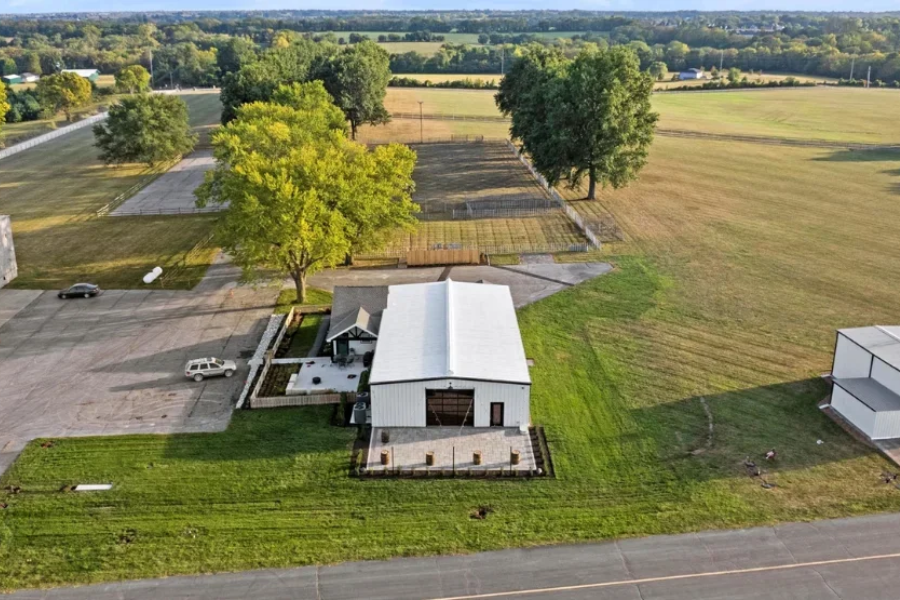
Spaces like The Landing are designed to support this type of transition more effectively because they account for both formats in advance, rather than treating one as a backup.
How This Decision Plays Out in Real Events
In real-world scenarios, the difference becomes clear quickly.
- Outdoor events start strong but require active management as conditions change, especially during longer durations.
- Indoor events may feel less dynamic initially but maintain consistency, which improves overall execution.
- Hybrid events reduce risk only when properly structured – otherwise, they introduce additional coordination complexity.
Common mistakes:
- Choosing outdoor spaces without a defined contingency plan
- Overestimating guest tolerance for weather variability
- Ignoring how lighting changes affect the event atmosphere
- Assuming hybrid venues solve all problems automatically
The issue isn’t the choice itself. It’s choosing without understanding the trade-offs.
When Indoor Is the Right Call
Indoor venues become the practical choice when the event demands control, consistency, and predictable execution. If your event relies on strict timing – such as presentations, scheduled sessions, or coordinated transitions – an indoor space reduces variables that could disrupt the flow. The same applies when technical requirements are high. Audio clarity, lighting control, and reliable power are far easier to manage in a controlled environment than in an open setting where conditions shift throughout the day.
Guest comfort is another factor that gets underestimated. Temperature, seating arrangements, and overall environment stability directly affect how people experience the event over time. This becomes even more important for longer events where discomfort compounds and starts affecting engagement. For this reason, most corporate event space kansas city setups default to indoor environments. It’s not because they lack creativity – it’s because reliability consistently produces better outcomes than visual appeal when execution matters.
When Outdoor Works (And When It Doesn’t)
Outdoor spaces work best when the event is built around atmosphere rather than structure. They suit occasions where visual impact and open environments take priority over strict coordination. If weather conditions are stable and predictable, and the event duration is relatively short, outdoor venues can create a more relaxed and engaging experience. They also offer flexibility in layout, allowing for less rigid configurations compared to indoor spaces.
However, this flexibility comes with trade-offs that are often ignored. Outdoor setups start to fail when there is no clearly defined fallback plan. Weather changes, even minor ones, can quickly disrupt the entire event if there’s no structured alternative. Technical requirements are another weak point.
Sound, lighting, and power setups in outdoor environments are more complex and less reliable, especially when not planned in detail. Guest comfort also becomes inconsistent as conditions change – heat, cold, or even wind can affect how long people stay engaged.
Most outdoor event failures are not caused by the space itself. They happen because people assume the environment will behave the way it did during the initial visit or in photos. In reality, outdoor venues require more planning, not less.
FAQs
Which is better: indoor or outdoor event spaces?
Neither is universally better. Indoor offers control and reliability, while outdoor offers atmosphere but higher risk.
Are outdoor event spaces in Kansas City reliable?
They can be, but only with proper contingency planning. Weather variability makes them less predictable.
Do indoor venues cost more than outdoor venues?
Not always. Outdoor venues often require additional setup, which can increase total cost.
What is a hybrid indoor outdoor event venue?
It’s a venue that supports both formats. Its effectiveness depends on how easily it can transition between them.
Is an outdoor wedding a good idea?
It can be, but only if there is a fully planned backup. Without that, the risk outweighs the benefit.
The Best Choice Isn’t the One That Looks Better
The mistake most people make is choosing based on how a venue appears before the event begins.
What matters is how it performs during the event.
An outdoor space can create a strong first impression but introduce ongoing challenges. An indoor space may feel less dramatic initially but deliver a smoother, more controlled experience. Hybrid spaces sit in between, but only when designed properly.
If you’re evaluating an indoor outdoor event space, the goal isn’t to find the most impressive option. It’s to find the one that aligns with how your event will actually run.
Platforms like KC Pekaabo event spaces help you compare different configurations quickly, but the real advantage comes from understanding the trade-offs clearly.
Because once the event starts, the space you chose stops being a backdrop – and starts shaping every decision that follows.