

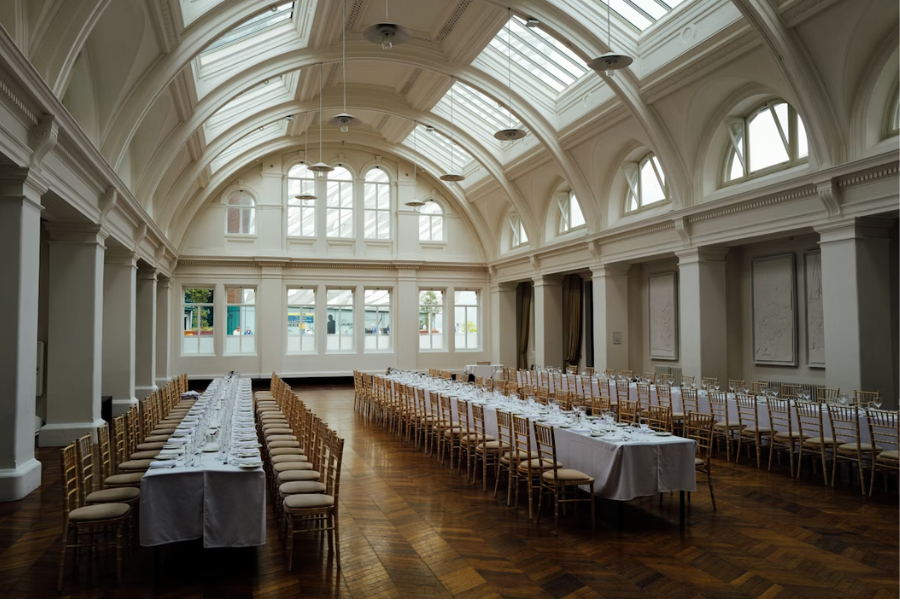
Choosing an event space Kansas City isn’t difficult because options are limited. It’s difficult because most spaces appear interchangeable until you try to run a real event inside them.
What looks clean, spacious, and “perfect” in a listing often behaves very differently under pressure – when guests arrive simultaneously, vendors need access, timelines shift, and multiple activities overlap.
This matters more now than it used to. Expectations have increased. Guests notice delays. Corporate events depend on technical precision. Weddings require seamless transitions. Private gatherings need both atmosphere and efficiency.
The gap between how a venue looks and how it performs is where most decisions fail. If you understand how to evaluate that gap, you avoid the majority of problems before they happen.
An Event Space Is Not a Venue – It’s an Operating Environment
Most people evaluate venues visually. That’s the wrong model.
An event space kansas city mo is not just a location – it’s a system where movement, coordination, timing, and experience interact continuously. The purpose of the space is not to host your event passively, but to enable it actively.
A wedding event space kansas city must handle transitions between ceremony, dining, and reception without friction. A corporate event space kansas city must support structured communication, presentations, and networking simultaneously. A small event space kansas city must maintain energy without overcrowding or emptiness.
If you treat a venue as a backdrop instead of an environment, you miss how it behaves under real use.
Define the Event Before You Evaluate the Space
Most people browse venues first and then try to fit their event into what they find. That’s backwards.
A wedding requires fluid transitions and adaptable layouts. If the venue forces guests to relocate awkwardly between stages of the event, the experience breaks down even if the space itself looks impressive. Corporate events demand structure and clarity. Without defined zones for presentations, networking, and interaction, the event becomes unorganized and harder to manage.
Private events sit in between. They need balance. Too much space kills energy. Too little creates discomfort. The right space aligns with the rhythm of the event – not just its size.
The question isn’t whether a venue is good. It’s whether it supports the way your event needs to function.
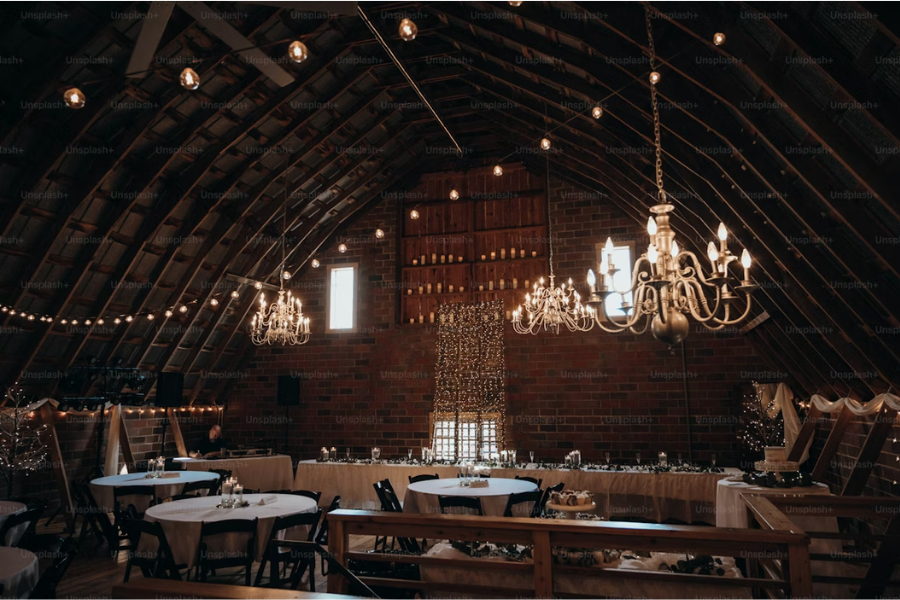
Capacity Is About Experience, Not Numbers
Capacity is one of the most misleading signals in venue selection because it’s presented without context.
- Maximum capacity rarely reflects real usage
The number advertised usually assumes ideal conditions with minimal setup. Once you introduce dining tables, staging, or service areas, the usable capacity drops significantly. What looks sufficient on paper often feels constrained in practice. - Event format changes how space behaves
A standing reception and a seated dinner use space completely differently. A venue that works for one may fail for the other, even with the same number of guests. - Comfort defines perception more than density
Guests don’t evaluate square footage – they respond to how the space feels. Crowding creates friction, while excess space reduces engagement and energy.
The goal is not to fit as many people as possible. It’s to create the right experience for the number you expect.
Location Shapes Execution More Than It Shapes Convenience
Location is often reduced to proximity. In reality, it determines how smoothly the event operates.
- Accessibility affects timing and attendance
If guests struggle to reach the venue, arrival becomes staggered and unpredictable. This disrupts timelines, especially for events that rely on coordinated starts. - Parking availability influences first impressions
A lack of sufficient parking creates immediate friction. Guests arrive frustrated, and that tone carries into the event. - Vendor logistics impact setup efficiency
Difficult access points or restricted loading areas slow down preparation. This increases coordination pressure and reduces margin for error. - Nearby accommodation supports better participation
For destination events, proximity to hotels or stays simplifies planning and improves overall attendance.
Location is not just about where the venue is. It’s about how easily people can use it.
Pricing Only Makes Sense When You Understand the Structure Behind It
Comparing venues based on base price is one of the fastest ways to make a bad decision.
- Base rental rarely represents total cost
Many venues provide only the space. Essential elements like seating, lighting, staffing, and equipment are often additional. These costs accumulate quickly and change the real budget. - Hidden dependencies create cost escalation
Catering, AV, and decor are not optional for most events. If they are not included, they must be sourced externally, adding both cost and coordination complexity. - Time-based pricing can distort expectations
Limited setup and teardown windows often force you into extended bookings. What appears affordable initially becomes expensive once operational time is factored in. - All-inclusive venues reduce uncertainty
A luxe event venue may appear expensive but often simplifies planning and reduces hidden variables by bundling key services.
The real question is not “What does this venue cost?” but “What will it take to run my event here?”
Flow and Movement Define the Event Experience
Most venue problems are not visual – they are operational.
- Entry and transition points determine first impressions
If guests encounter congestion at entrances, the experience starts with friction. This is difficult to recover from. - Zoning affects clarity and comfort
When dining, networking, and entertainment areas overlap, noise and movement interfere with each other. Clear separation improves both experience and control. - Adaptability supports real-time adjustments
Events rarely follow a perfect plan. A flexible layout allows you to adjust without disruption. - Service pathways influence efficiency
Staff and vendors need dedicated movement routes. Without them, operations interfere with the guest experience.
A well-designed space feels effortless. A poorly designed one requires constant management.
Different Spaces Solve Different Problems
Not all venues are designed for the same purpose, even if they appear similar.
| Space Type | What It Solves | Where It Fails |
| Small Event Space | Intimate gatherings, controlled atmosphere | Limited flexibility for scaling |
| Wedding Event Space | Multi-stage events with transitions | Requires strong layout design |
| Corporate Event Space | Structured communication and networking | Needs technical reliability |
| Outdoor / Hybrid Space | Flexible and scenic experiences | Dependent on weather and contingency |
Choosing the wrong type creates problems that no amount of planning can fully fix.
Technical Readiness Is Often the First Real Failure Point
Technical limitations rarely show up in photos – but they impact execution immediately.
- Power limitations restrict production quality
Lighting and sound setups depend on stable infrastructure. Without it, compromises are inevitable. - Acoustics affect communication clarity
Poor sound distribution makes speeches and presentations difficult to follow, especially in larger or open spaces. - Connectivity supports modern event needs
Corporate events rely on internet access for presentations and coordination. Weak connectivity creates disruptions. - Lighting control shapes atmosphere
Fixed lighting limits your ability to adapt the environment as the event evolves.
If your event depends on technical performance, this is not optional.

What Actually Happens After You Book the Space
Booking a venue is the start of complexity, not the end of it.
- Customization increases coordination requirements
The more control you have, the more you need to manage vendors, schedules, and execution details. - Time constraints shape everything
Limited access windows compress preparation and increase pressure on teams. - Unexpected changes are normal
Guest counts shift, vendors run late, and layouts need adjustment. The venue must support flexibility.
The difference between a smooth event and a stressful one often comes down to how well the space handles these realities.
How to Know You’re Making the Right Call
A venue is right when it reduces effort, not when it impresses visually.
- It aligns with your event structure without forcing adjustments
The space should support your format naturally, rather than requiring compromises. - It simplifies coordination instead of adding layers
If managing the venue feels complex before the event begins, it will be worse during execution. - It provides clarity instead of assumptions
Clear details around layout, pricing, and policies reduce risk significantly.
If a venue introduces uncertainty, it’s not the right choice.
FAQs
What is the best event space in Kansas City?
There is no universal best option. The right choice depends on your event type, guest count, and operational needs.
How do I choose between a small and large event space?
Choose based on experience. Smaller spaces work for intimacy, while larger spaces support structured and high-capacity events.
What matters more location or price?
Location often has a greater impact on execution. A cheaper venue with poor accessibility can create larger problems.
Do venues include everything needed for an event?
Not always. Some include infrastructure and services, while others require external vendors.
Are free event spaces in Kansas City reliable?
They can work for simple setups but often lack the infrastructure needed for larger or complex events.
The Space You Choose Decides What’s Possible
Every event operates within limits. Those limits are set by the space long before the event begins.
A well-chosen venue removes friction and allows everything else – planning, execution, and experience – to align naturally. A poor choice introduces constraints that no amount of effort can fully overcome.
If you’re evaluating an event space kansas city, the goal is not to find the most attractive option. It’s to find the one that works under real conditions. Platforms like KC Pekaabo Event Spaces can help you compare options quickly, but the real advantage comes from knowing how to evaluate them properly.
Because once the space is locked in, everything else has to adapt to it.